
Company Spotlight: Continuous Solutions
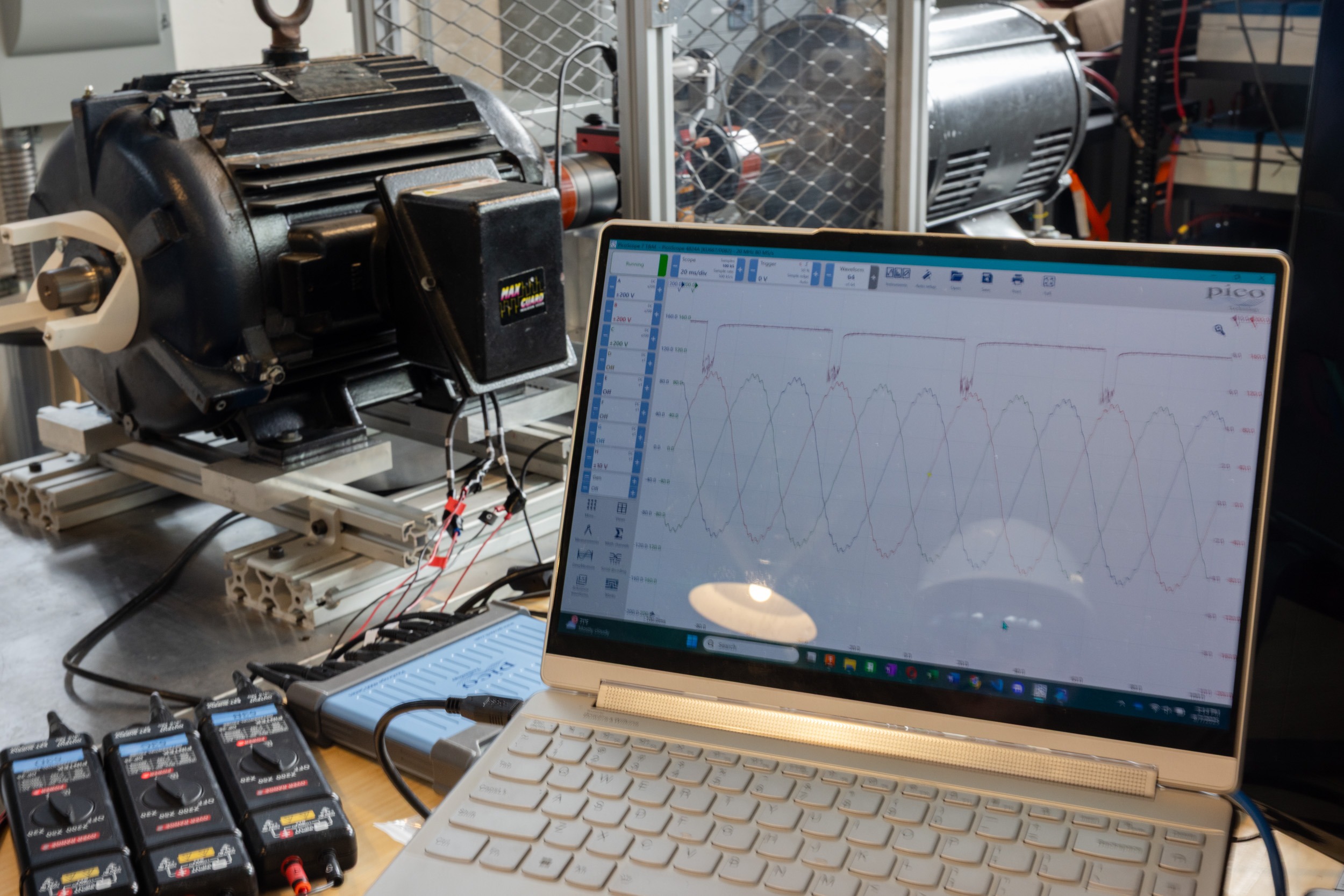
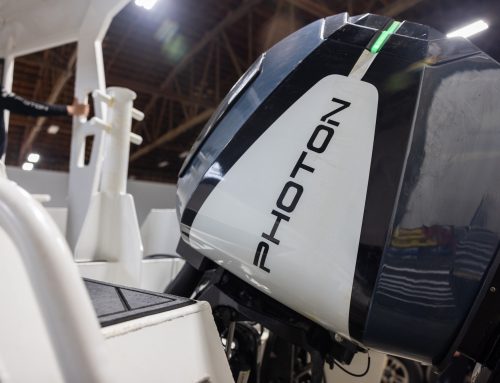
Continuous Solutions develops high-efficiency electric motors and power systems for land, air, and sea vehicles. Founded by Dr. Nyah Zarate in 2014 and headquartered in Southeast Portland, the company’s innovative approach optimizes drivetrains to increase power density, reduce weight, and extend range—in effect, generating greater output and efficiency from smaller engines and energy systems.
By leveraging advanced algorithms and evolutionary computing, Continuous Solutions is able to rapidly generate and test thousands of design solutions, helping clients—from the U.S. Navy to electric motorcycle manufacturers—achieve greater energy performance and reliability in their systems.
Among the topics covered in this wide-ranging Q&A, Dr. Zarate discusses the company’s origin story, bootstrapping growth, the power of collaboration, and her experience building a the business in Portland.
Q: Tell us about yourself and the company.
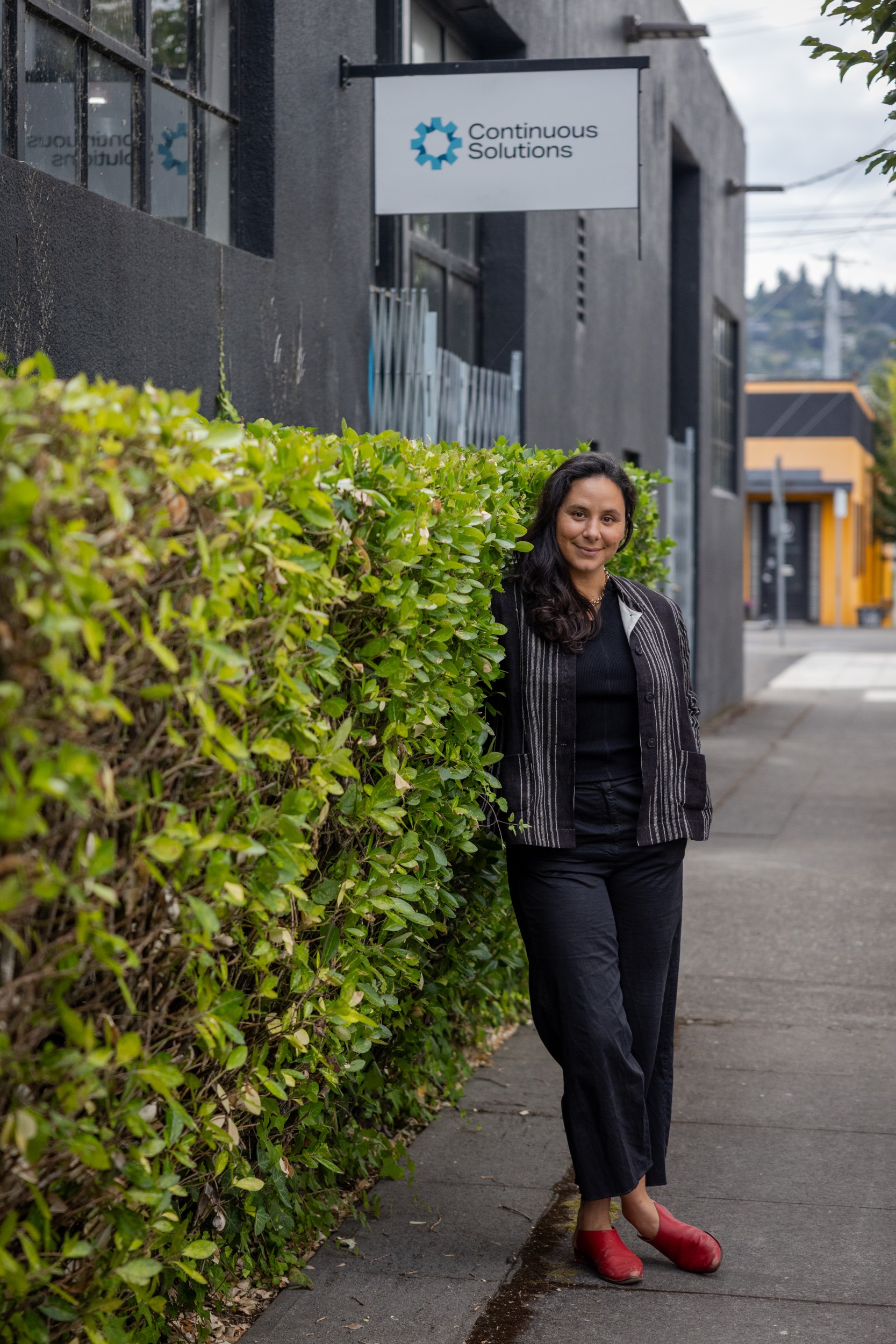
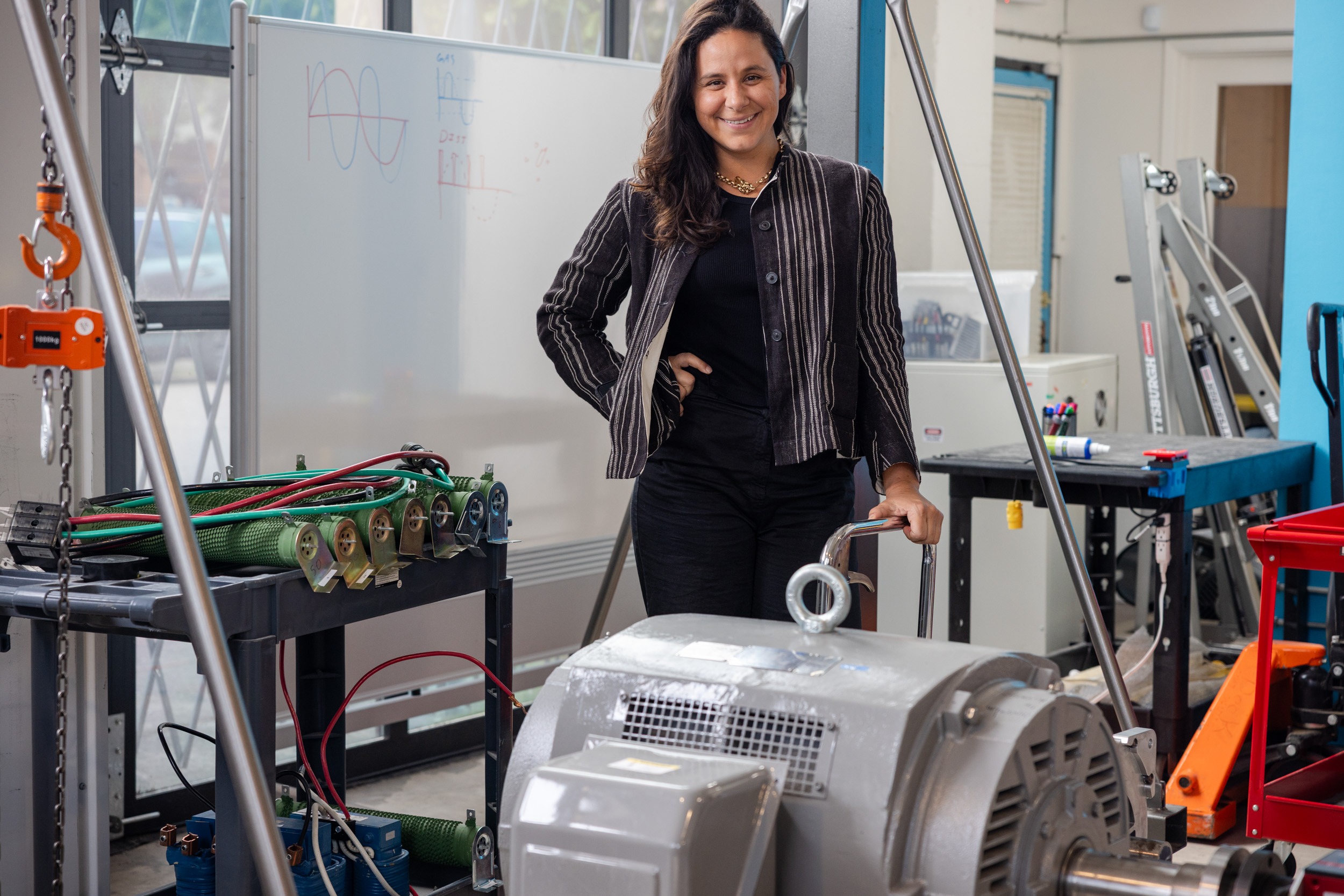
A: My name is Dr. Nyah Zarate, and I am the founder of Continuous Solutions. We were founded in 2014 officially, but I started working on the company’s concept in 2010. We are a research and development company that’s bootstrapping electrification components for land, air, and seacraft.
Our primary customer is the U.S. Navy and divisions of the U.S. Navy, but also we have a plethora of commercial clients that use our IP and services to enhance products they’re bringing to commercial scale.
Q: Can you give us an example of how that might manifest in a real-world application?
A: In essence, we design and enable more compact, higher power density electric motors in order to increase battery capacity onboard ships. We compact all the power systems so that you can have longer ranges, more agile devices.
On land, we’re looking at electric motorcycles, for instance. We’ve done a lot of work globally shrinking down the entire power drive system so that it’s more lightweight and affordable.
If you were a customer that had an EV drivetrain in a motorcycle or a car, you could come to us and say, “Here’s my system, but I really want to optimize it.” We could help you do that.
Q: It seems like this would be a valuable asset for a variety of different applications.
A: It’s incredibly lucrative for people who are looking for energy optimization, which is happening everywhere across the world, especially in the situation that we’re in right now, where energy is very scarce, or considered very scarce.
Q: What in particular makes Continuous Solutions stand out in this space?
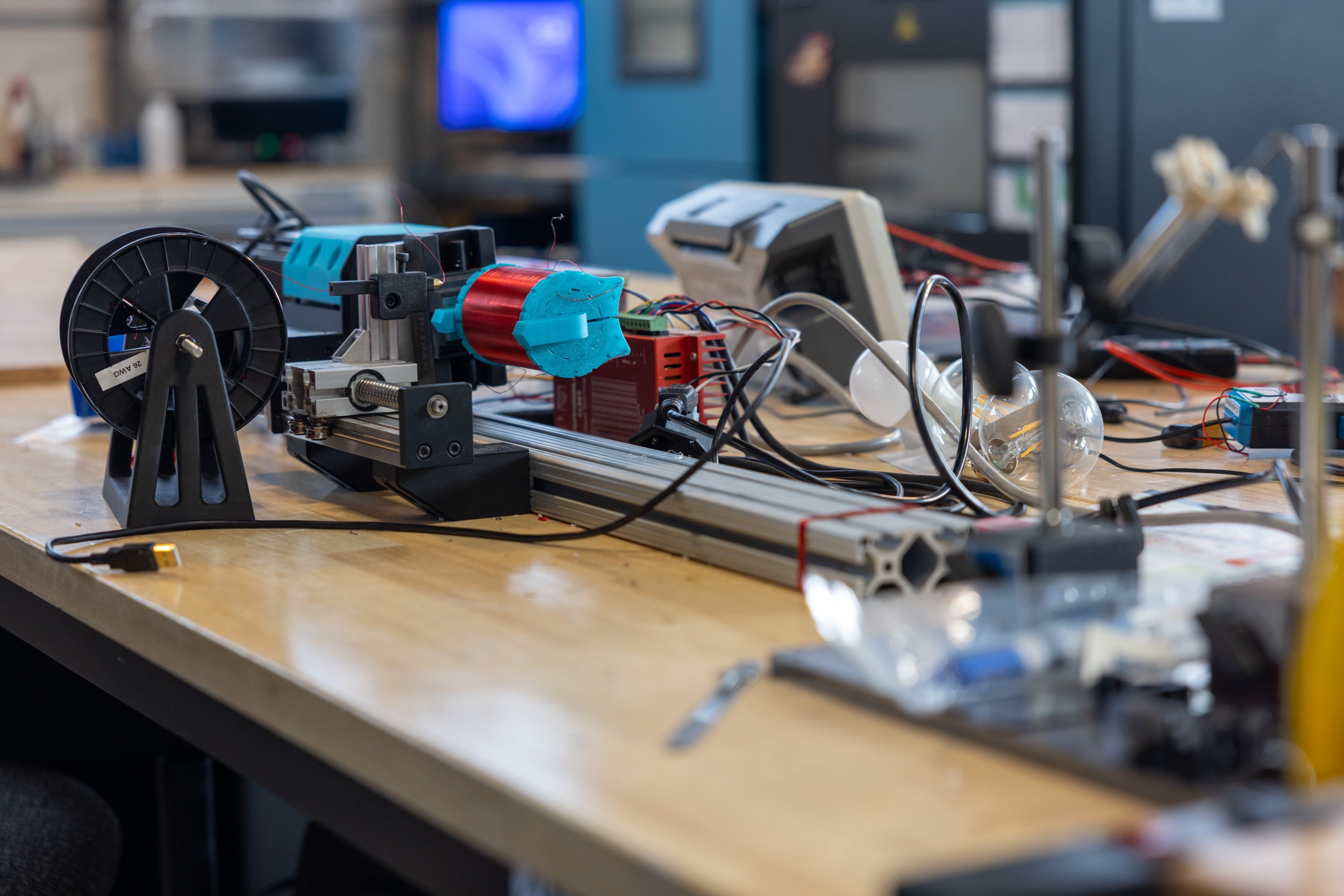
A: We have leveraged a multi-objective optimization algorithm that’s based in evolutionary computing, which is able to create a population of designs. From that population of designs, we have a family of solutions. We can pick one of those designs, then bring it to life.
That’s really the bread and butter because you can turn out hundreds of thousands of very replicable designs in a matter of days rather than more traditional methods that can take much longer.
Q: What’s your background? How did you find your way to Portland?
A: I did my undergrad in engineering and then went to grad school at Purdue University for my Ph.D. I had worked with Apple during my undergrad and developed their entire student pipeline for iPhones, iPods, all that whole thing. A year before I graduated, I was recruited by Intel. I came out here in 2012, and I thought, “Wow, this is really an incredible place.”
Portland had a really good reputation for being green, which is the direction that I wanted to go—toward energy efficiency. Eventually, I started thinking: Can we be the think tank for energy efficiency optimization and be a part of this needed revolution in the way that we are looking at power and energy?
Q: How does Continuous Solutions fit within the larger Portland business community? Research and development is such a big part of your work.
A: Continuous Solutions is unconventional in that way. It’s not as though customers can come through the front door and buy an optimization package. The majority of Portlanders that start businesses here are the mom-and-pop shops, the small businesses, brick and mortars. Technology development is few and far between, especially hardware. And so for me, it’s really about going out and digging for those connections.
Working with Prosper Portland has been extremely helpful in that sense, because they have their finger on the pulse of what other companies are doing this type of work. Through Prosper, I hear about those other companies or even get introductions. Then I can figure out how to build relationships with them. That’s been really exciting.
Q: Can you share a bit about the Continuous Solutions space?
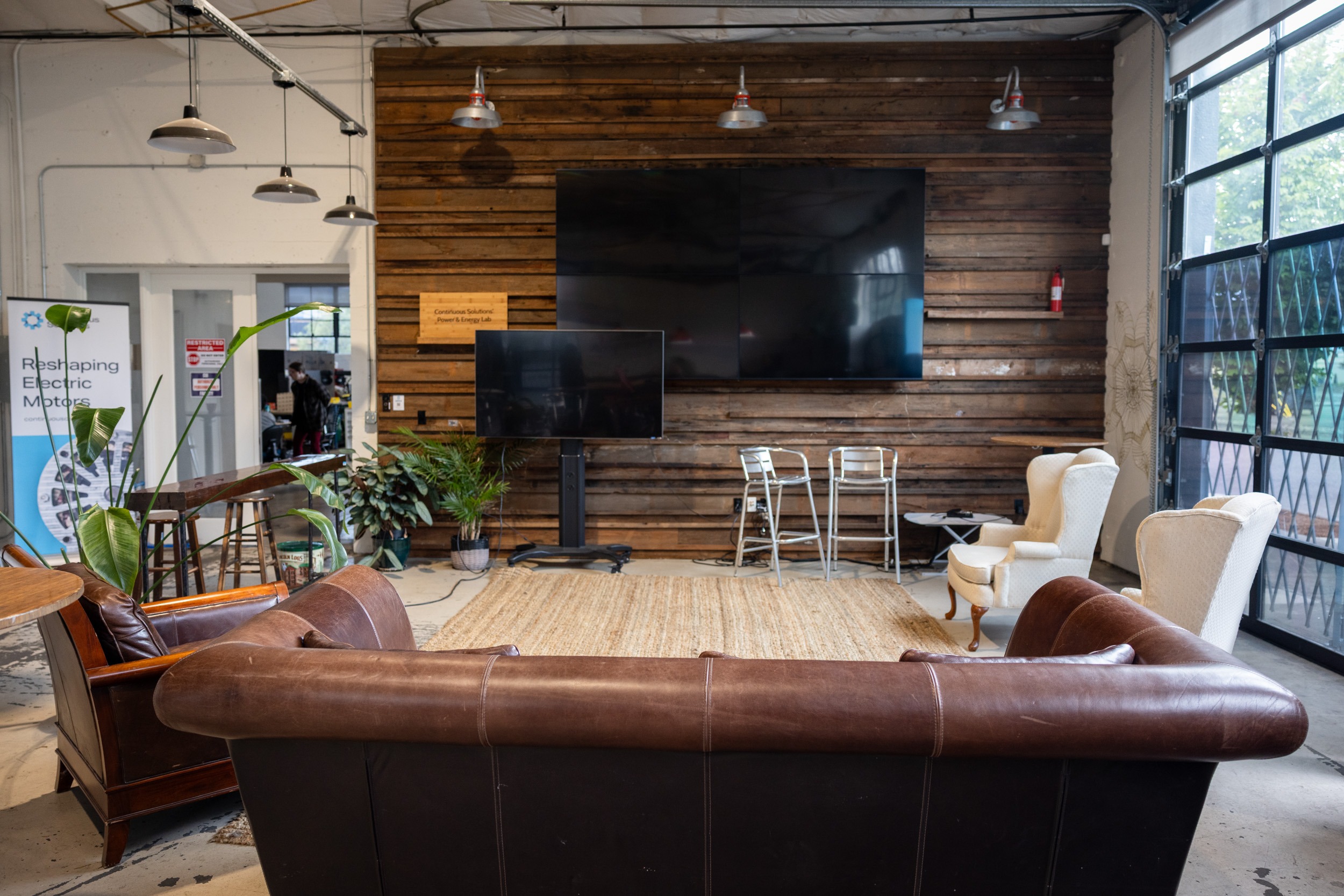
A: We moved into this Southeast 7th Avenue location about a year ago. Continuous Solutions runs and operates 7,500 square feet and subleases out a little less than half of that space to a nonprofit organization called Latino Founders. Juan Barraza is the Executive Director. He and I have known each other for about 10 years via the Portland State Business Accelerator.
Q: What’s ahead for Continuous Solutions?
A: We have several ongoing pilot projects, placing our products into marine vessels and also Navy vessels. There are also a number of motorcycle applications, but we have to consider the costs. On a Navy ship, the cost of what we’re developing is minuscule in the grand scheme of shipbuilding. But relative to building a motorcycle, the cost is very high. So that is a constant dialogue that we’re in.
Another big thing we’re working on right now is manufacturability. I’m looking at buildings that can potentially house a manufacturing line, and also looking into building relationships with manufacturers so that when we get those big orders, we can crank out the product.
I’d like to find a balance between research and development and manufacturing. The timing just needs to be right. Because I’m bootstrapping the business, I need to be strategic about every decision and its day-to-day strategy. My constant perspective is through the lens of: Right now, is this a good investment for the company? Am I doing right by the company to make sure we can continue?
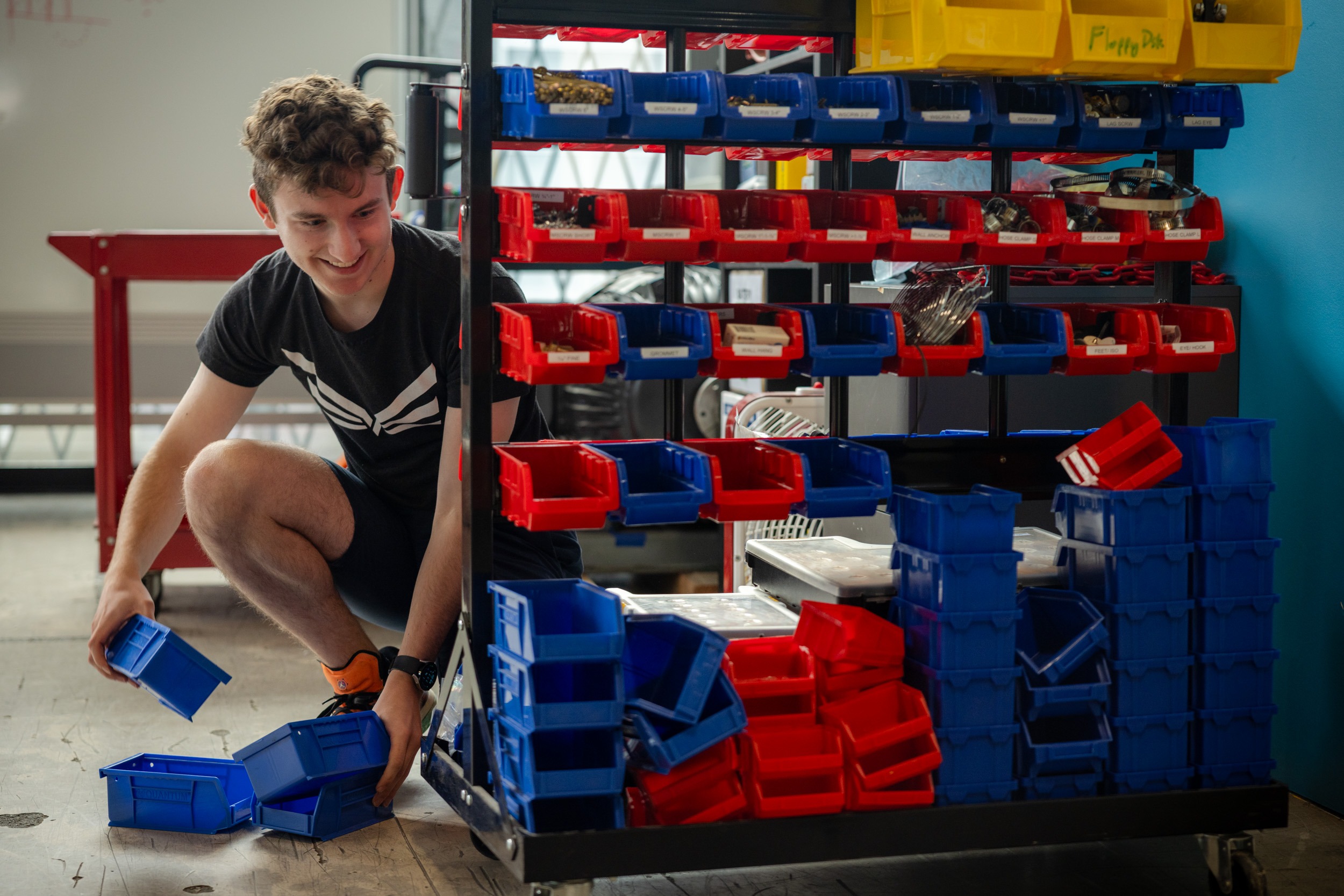
Q: What sort of team do you have at Continuous Solutions?
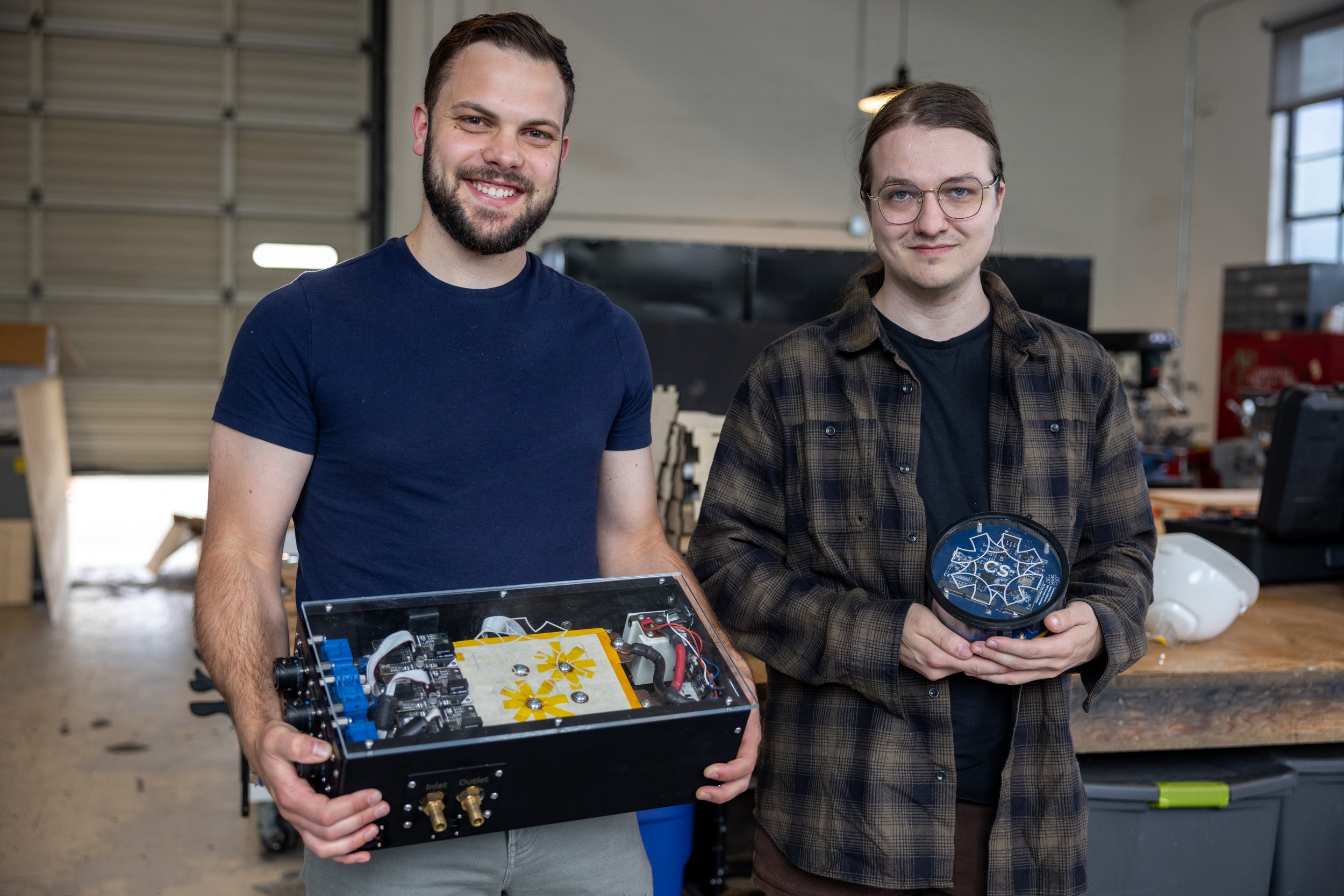
A: We have 10 employees here in Portland and one in Boise. Then we have support contractors or third-party people: cybersecurity experts, bookkeeping, comptrolling, payroll. We have two consultants that are experts in the fields of mechanical engineering and electrical engineering. Then we have subcontractors, research professor groups in which we’ve sponsored a dozen Ph.D. students coming out of university.
Q: What other companies have you partnered with or would you be interested in working with in the future?
A: I got to meet Lit Motors recently, which was such a treat. I’ve been wanting to meet with them for a long time. They’re literally five blocks down the street, so it’s incredible that this is the first time I’ve met them.
In terms of companies I would like to work with, I would be interested in speaking with Bonneville Power. I think we would be able to offer them some solutions. It’d be awesome to talk with them and to see if we can do a pilot.
Q: Do you have any advice for other founders or companies seeking to follow a similar path?
A: Don’t be shy to form teams. I think that teaming with a person who has done it before is a really good way to learn very fast and also not to make mistakes that you can avoid. There’s a disadvantage in going through the trenches alone versus going through the trenches with another person. Also, proposal writing isn’t super easy and it takes a long time. Doing it with somebody who’s highly motivated to win the proposal with you would be extremely helpful.
Make sure to read every contract that you sign. Make sure that you’re diligent with how you’re running your operations. Investors want to see their money compound. You have to grow as a company, and you need to get there by any means necessary—within reason, of course!
Photography by Sheepscot Creative